Buy info24.eu ?
We are moving the project
info24.eu .
Are you interested in purchasing the domain
info24.eu ?
domain@kv-gmbh.de · 0541-91531010
Buy info24.eu ?
What exactly does a specialist in information technology for data and process analysis do?
A specialist in information technology for data and process analysis is responsible for analyzing and interpreting data to identify trends, patterns, and insights that can be used to improve business processes and decision-making. They use various tools and techniques to collect, clean, and analyze data, and then present their findings to stakeholders in a clear and understandable manner. They also work to identify areas for process improvement and develop strategies to optimize workflows and increase efficiency. Overall, their role is to leverage technology and data to drive informed decision-making and improve business operations. **
What prior knowledge does a specialist in information technology for system integration need?
A specialist in information technology for system integration needs a strong foundation in computer science, including knowledge of programming languages, operating systems, and network architecture. They also need to understand database management, cybersecurity, and cloud computing. Additionally, they should have expertise in integrating different software and hardware systems, as well as experience with project management and problem-solving skills. Finally, staying updated with the latest technological advancements and industry trends is crucial for a specialist in information technology for system integration. **


Similar search terms for Suave
Top-Angebote
Products related to Suave:
-
Jeanne Arthes Privée Suave EDP U 100 mlJeanne Arthes Privée Suave, 100 ml, Eaux de Parfum unisex, Fresh but still mysterious. Modern, yet timeless. The composition of Jeanne Arthes Privée Suave unisex Eau de Parfum is absolutely perfect both for women and men. a balanced composition that suits both men and women for incurable optimists a fresh combination making it possible to discover a fragrance that will captivate you utterly unisex – suitable for both women and men22,90 £*Shipping: 3,99 £Secure redirect to the provider
-
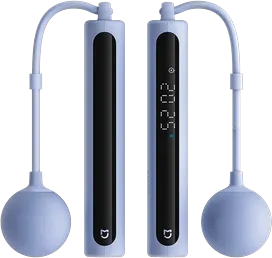
Inspire Daily Merch Smart Rope Skipping With Bluetooth Digital Display Precise Counting And Mihome App Data Analysis blueTransform Your Fitness Routine with Smart Rope Skipping 2 The New Smart Rope Skipping 2 is the perfect companion for fitness enthusiasts. This innovative jump rope features a precise counting digital display screen that tracks your every jump with...139,97 $*Shipping: 0,00 $Secure redirect to the provider



-
What knowledge is required for the training as a specialist in information technology?
To become a specialist in information technology, one needs to have a strong foundation in computer science, including knowledge of programming languages, algorithms, and data structures. Additionally, understanding of networking, cybersecurity, and database management is crucial. Knowledge of operating systems, software development, and IT project management is also essential for this role. Continuous learning and staying updated with the latest technological advancements is also important in this field. **
-
What prior knowledge is required for the training as a specialist in information technology?
Prior knowledge required for training as a specialist in information technology includes a strong understanding of computer systems and networks, programming languages, and database management. Additionally, familiarity with operating systems, cybersecurity principles, and hardware components is essential. A solid foundation in mathematics and problem-solving skills is also beneficial for success in this field. Finally, staying updated with the latest technological advancements and industry trends is crucial for continuous learning and growth in the IT field. **
-
How is the abbreviation IT for Information Technology or Information Technology pronounced correctly?
The abbreviation IT for Information Technology is pronounced as "eye-tee." Each letter is pronounced individually, with "I" being pronounced as "eye" and "T" being pronounced as "tee." This pronunciation is commonly used in the tech industry and in professional settings when referring to Information Technology. **
-
How do you correctly pronounce the abbreviation IT for Information Technology or Information Technology?
The abbreviation IT for Information Technology is correctly pronounced by saying each letter separately: "I" and "T." It is not pronounced as a word but as individual letters. This is the standard way to pronounce abbreviations in English to avoid confusion and ensure clarity in communication. **


Does anyone do genealogy research? How do you obtain your information and data?
Yes, many people do genealogy research to trace their family history. There are various ways to obtain information and data for genealogy research, including using online databases, visiting local libraries and archives, interviewing family members, and utilizing DNA testing services. Online resources such as Ancestry.com, FamilySearch.org, and MyHeritage.com provide access to historical records, census data, and other genealogical information. Additionally, many people also use social media and networking platforms to connect with distant relatives and share family history information. **
Is there a difference between IT technology and information technology?
The terms IT technology and information technology are often used interchangeably, but there is a subtle difference between the two. IT technology typically refers to the hardware and software used to manage and process data within an organization, such as computers, servers, and networking equipment. On the other hand, information technology encompasses a broader scope, including the management and use of information systems to support business operations and decision-making. In essence, IT technology is a subset of information technology, focusing specifically on the technology aspect of managing information. **
Top-Angebote
Products related to Suave:
-
Jeanne Arthes Privée Suave EDP U 100 mlJeanne Arthes Privée Suave, 100 ml, Eaux de Parfum unisex, Fresh but still mysterious. Modern, yet timeless. The composition of Jeanne Arthes Privée Suave unisex Eau de Parfum is absolutely perfect both for women and men. a balanced composition that suits both men and women for incurable optimists a fresh combination making it possible to discover a fragrance that will captivate you utterly unisex – suitable for both women and men22,90 £*Shipping: 3,99 £Secure redirect to the provider
-
What exactly does a specialist in information technology for data and process analysis do?
A specialist in information technology for data and process analysis is responsible for analyzing and interpreting data to identify trends, patterns, and insights that can be used to improve business processes and decision-making. They use various tools and techniques to collect, clean, and analyze data, and then present their findings to stakeholders in a clear and understandable manner. They also work to identify areas for process improvement and develop strategies to optimize workflows and increase efficiency. Overall, their role is to leverage technology and data to drive informed decision-making and improve business operations. **
-
What prior knowledge does a specialist in information technology for system integration need?
A specialist in information technology for system integration needs a strong foundation in computer science, including knowledge of programming languages, operating systems, and network architecture. They also need to understand database management, cybersecurity, and cloud computing. Additionally, they should have expertise in integrating different software and hardware systems, as well as experience with project management and problem-solving skills. Finally, staying updated with the latest technological advancements and industry trends is crucial for a specialist in information technology for system integration. **
-
What knowledge is required for the training as a specialist in information technology?
To become a specialist in information technology, one needs to have a strong foundation in computer science, including knowledge of programming languages, algorithms, and data structures. Additionally, understanding of networking, cybersecurity, and database management is crucial. Knowledge of operating systems, software development, and IT project management is also essential for this role. Continuous learning and staying updated with the latest technological advancements is also important in this field. **
-
What prior knowledge is required for the training as a specialist in information technology?
Prior knowledge required for training as a specialist in information technology includes a strong understanding of computer systems and networks, programming languages, and database management. Additionally, familiarity with operating systems, cybersecurity principles, and hardware components is essential. A solid foundation in mathematics and problem-solving skills is also beneficial for success in this field. Finally, staying updated with the latest technological advancements and industry trends is crucial for continuous learning and growth in the IT field. **
Similar search terms for Suave
-
Inspire Daily Merch Smart Rope Skipping With Bluetooth Digital Display Precise Counting And Mihome App Data Analysis blueTransform Your Fitness Routine with Smart Rope Skipping 2 The New Smart Rope Skipping 2 is the perfect companion for fitness enthusiasts. This innovative jump rope features a precise counting digital display screen that tracks your every jump with...139,97 $*Shipping: 0,00 $Secure redirect to the provider
-
How is the abbreviation IT for Information Technology or Information Technology pronounced correctly?
The abbreviation IT for Information Technology is pronounced as "eye-tee." Each letter is pronounced individually, with "I" being pronounced as "eye" and "T" being pronounced as "tee." This pronunciation is commonly used in the tech industry and in professional settings when referring to Information Technology. **
-
How do you correctly pronounce the abbreviation IT for Information Technology or Information Technology?
The abbreviation IT for Information Technology is correctly pronounced by saying each letter separately: "I" and "T." It is not pronounced as a word but as individual letters. This is the standard way to pronounce abbreviations in English to avoid confusion and ensure clarity in communication. **
-
Does anyone do genealogy research? How do you obtain your information and data?
Yes, many people do genealogy research to trace their family history. There are various ways to obtain information and data for genealogy research, including using online databases, visiting local libraries and archives, interviewing family members, and utilizing DNA testing services. Online resources such as Ancestry.com, FamilySearch.org, and MyHeritage.com provide access to historical records, census data, and other genealogical information. Additionally, many people also use social media and networking platforms to connect with distant relatives and share family history information. **
-
Is there a difference between IT technology and information technology?
The terms IT technology and information technology are often used interchangeably, but there is a subtle difference between the two. IT technology typically refers to the hardware and software used to manage and process data within an organization, such as computers, servers, and networking equipment. On the other hand, information technology encompasses a broader scope, including the management and use of information systems to support business operations and decision-making. In essence, IT technology is a subset of information technology, focusing specifically on the technology aspect of managing information. **
* All prices are inclusive of VAT and, if applicable, plus shipping costs. The offer information is based on the details provided by the respective shop and is updated through automated processes. Real-time updates do not occur, so deviations can occur in individual cases. ** Note: Parts of this content were created by AI.