Buy info24.eu ?
We are moving the project
info24.eu .
Are you interested in purchasing the domain
info24.eu ?
domain@kv-gmbh.de · 0541-91531010
Buy info24.eu ?
What is a qualitative elemental analysis?
Qualitative elemental analysis is a method used to determine the presence or absence of specific elements in a sample. This analysis does not provide quantitative data on the amount of each element present, but rather focuses on identifying which elements are present. Qualitative elemental analysis can be performed using various techniques such as spectroscopy, chromatography, and mass spectrometry. This type of analysis is useful for identifying unknown substances, determining the purity of a sample, and understanding the composition of a material. **
How is this elemental analysis carried out?
Elemental analysis is carried out by first preparing the sample, usually by converting it into a form suitable for analysis, such as a solution or a gas. The sample is then introduced into an instrument, such as an elemental analyzer or a spectrometer, which uses various techniques such as combustion, chromatography, or spectroscopy to determine the elemental composition of the sample. The instrument measures the amount of each element present in the sample, and this data is used to calculate the elemental composition. The results are typically reported as the percentage of each element present in the sample. **

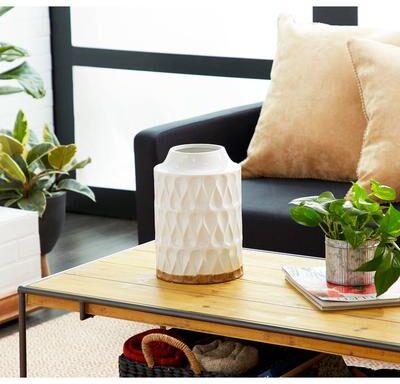
Similar search terms for ARCILLA-ELEMENTAL-Porcelain-Contemporary
Top-Angebote
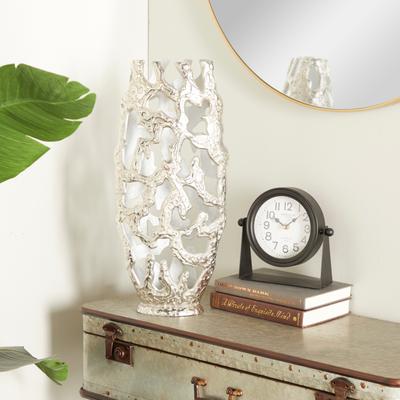
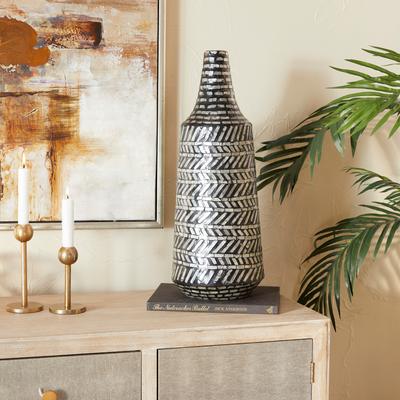
Products related to ARCILLA-ELEMENTAL-Porcelain-Contemporary:

-
How do I solve these elemental analysis problems?
To solve elemental analysis problems, you need to first determine the molecular formula of the compound by analyzing the given data such as the percentage composition of elements. Then, calculate the empirical formula by converting the percentages to moles and dividing by the smallest number of moles. Next, calculate the molar mass of the empirical formula and compare it to the given molar mass to determine the molecular formula. Finally, verify your answer by checking if the molecular formula matches the given data. **
-
Who can provide information about porcelain?
Experts in the field of ceramics, art historians specializing in porcelain, antique dealers, and museum curators are all good sources of information about porcelain. These individuals have in-depth knowledge about the history, production techniques, and value of different types of porcelain. They can provide valuable insights and guidance for those seeking information about porcelain. **
-
What are elemental artifacts?
Elemental artifacts are objects or items that are imbued with the power of the elements, such as earth, air, fire, or water. These artifacts are often associated with ancient myths and legends, and are said to possess great magical or mystical properties. They are believed to harness the elemental forces of nature and can be used for various purposes, such as protection, healing, or wielding great power. Throughout history, elemental artifacts have been sought after by adventurers, sorcerers, and seekers of ancient knowledge. **
-
Which spelling is correct: Yu-Gi-Oh! Elemental Hero or Elemental Hero?
The correct spelling is "Elemental Hero." "Yu-Gi-Oh!" is the name of the franchise, and "Elemental Hero" is the name of a specific type of card within the game. Therefore, the correct spelling is "Elemental Hero" when referring to the card type in the "Yu-Gi-Oh!" trading card game. **

"Is GF contemporary?"
Yes, GF (Gluten-Free) can be considered contemporary as it has gained popularity in recent years due to an increased awareness of gluten sensitivities and celiac disease. Many contemporary food products and menus now offer gluten-free options to cater to this growing demand. Additionally, there are many contemporary chefs and food bloggers who specialize in creating delicious gluten-free recipes and dishes. Overall, the focus on gluten-free options in the modern food industry makes GF a contemporary dietary choice. **
Are all metals elemental substances?
No, not all metals are elemental substances. Metals are a type of element that is typically solid, shiny, and a good conductor of heat and electricity. However, some metals can form compounds with other elements, such as oxygen, sulfur, or carbon, resulting in metal oxides, sulfides, or carbides. These compounds are not considered elemental substances because they are made up of more than one type of element. **
Top-Angebote
Products related to ARCILLA-ELEMENTAL-Porcelain-Contemporary:
-
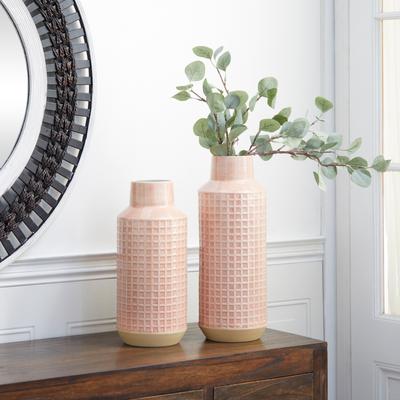
ARCILLA ELEMENTAL Porcelain Contemporary SculptureThis decorative sculpture is bound to impress your guests with its stunning design and the optimistic atmosphere it provides. This item will elevate any living space and bring some dimensions and texture to your surface space.35,15 $*Shipping: 0,00 $Secure redirect to the provider
-
What is a qualitative elemental analysis?
Qualitative elemental analysis is a method used to determine the presence or absence of specific elements in a sample. This analysis does not provide quantitative data on the amount of each element present, but rather focuses on identifying which elements are present. Qualitative elemental analysis can be performed using various techniques such as spectroscopy, chromatography, and mass spectrometry. This type of analysis is useful for identifying unknown substances, determining the purity of a sample, and understanding the composition of a material. **
-
How is this elemental analysis carried out?
Elemental analysis is carried out by first preparing the sample, usually by converting it into a form suitable for analysis, such as a solution or a gas. The sample is then introduced into an instrument, such as an elemental analyzer or a spectrometer, which uses various techniques such as combustion, chromatography, or spectroscopy to determine the elemental composition of the sample. The instrument measures the amount of each element present in the sample, and this data is used to calculate the elemental composition. The results are typically reported as the percentage of each element present in the sample. **
-
How do I solve these elemental analysis problems?
To solve elemental analysis problems, you need to first determine the molecular formula of the compound by analyzing the given data such as the percentage composition of elements. Then, calculate the empirical formula by converting the percentages to moles and dividing by the smallest number of moles. Next, calculate the molar mass of the empirical formula and compare it to the given molar mass to determine the molecular formula. Finally, verify your answer by checking if the molecular formula matches the given data. **
-
Who can provide information about porcelain?
Experts in the field of ceramics, art historians specializing in porcelain, antique dealers, and museum curators are all good sources of information about porcelain. These individuals have in-depth knowledge about the history, production techniques, and value of different types of porcelain. They can provide valuable insights and guidance for those seeking information about porcelain. **
Similar search terms for ARCILLA-ELEMENTAL-Porcelain-Contemporary
-
What are elemental artifacts?
Elemental artifacts are objects or items that are imbued with the power of the elements, such as earth, air, fire, or water. These artifacts are often associated with ancient myths and legends, and are said to possess great magical or mystical properties. They are believed to harness the elemental forces of nature and can be used for various purposes, such as protection, healing, or wielding great power. Throughout history, elemental artifacts have been sought after by adventurers, sorcerers, and seekers of ancient knowledge. **
-
Which spelling is correct: Yu-Gi-Oh! Elemental Hero or Elemental Hero?
The correct spelling is "Elemental Hero." "Yu-Gi-Oh!" is the name of the franchise, and "Elemental Hero" is the name of a specific type of card within the game. Therefore, the correct spelling is "Elemental Hero" when referring to the card type in the "Yu-Gi-Oh!" trading card game. **
-
"Is GF contemporary?"
Yes, GF (Gluten-Free) can be considered contemporary as it has gained popularity in recent years due to an increased awareness of gluten sensitivities and celiac disease. Many contemporary food products and menus now offer gluten-free options to cater to this growing demand. Additionally, there are many contemporary chefs and food bloggers who specialize in creating delicious gluten-free recipes and dishes. Overall, the focus on gluten-free options in the modern food industry makes GF a contemporary dietary choice. **
-
Are all metals elemental substances?
No, not all metals are elemental substances. Metals are a type of element that is typically solid, shiny, and a good conductor of heat and electricity. However, some metals can form compounds with other elements, such as oxygen, sulfur, or carbon, resulting in metal oxides, sulfides, or carbides. These compounds are not considered elemental substances because they are made up of more than one type of element. **
* All prices are inclusive of VAT and, if applicable, plus shipping costs. The offer information is based on the details provided by the respective shop and is updated through automated processes. Real-time updates do not occur, so deviations can occur in individual cases. ** Note: Parts of this content were created by AI.