Buy info24.eu ?
We are moving the project
info24.eu .
Are you interested in purchasing the domain
info24.eu ?
domain@kv-gmbh.de · 0541-91531010
Buy info24.eu ?
What exactly does a specialist in information technology for data and process analysis do?
A specialist in information technology for data and process analysis is responsible for analyzing and interpreting data to identify trends, patterns, and insights that can be used to improve business processes and decision-making. They use various tools and techniques to collect, clean, and analyze data, and then present their findings to stakeholders in a clear and understandable manner. They also work to identify areas for process improvement and develop strategies to optimize workflows and increase efficiency. Overall, their role is to leverage technology and data to drive informed decision-making and improve business operations. **
Is a life without technology possible?
Yes, a life without technology is possible, as there are still many people around the world who live without modern technological conveniences. These individuals may rely on traditional methods for communication, transportation, and daily tasks. While technology has greatly improved our lives in many ways, it is not a necessity for survival, and some people choose to live a simpler, technology-free lifestyle. **

Similar search terms for Life
Top-Angebote
Products related to Life:


-
Has technology worsened the quality of life?
Technology has both improved and worsened the quality of life depending on how it is used. While technology has made communication easier and provided access to vast amounts of information, it has also led to issues such as social isolation, decreased physical activity, and privacy concerns. It is important for individuals to find a balance in their use of technology to ensure that it enhances rather than detracts from their overall quality of life. **
-
Does technology guarantee a good life for people?
Technology has the potential to greatly improve people's lives by providing access to information, communication, and convenience. However, it does not guarantee a good life for people on its own. The impact of technology on people's lives depends on how it is used and the social, economic, and political context in which it is implemented. Additionally, access to technology is not equal for everyone, so its benefits may not be equally distributed. Ultimately, a good life for people depends on a combination of factors, including access to resources, social support, and opportunities for personal growth and fulfillment. **
-
What prior knowledge does a specialist in information technology for system integration need?
A specialist in information technology for system integration needs a strong foundation in computer science, including knowledge of programming languages, operating systems, and network architecture. They also need to understand database management, cybersecurity, and cloud computing. Additionally, they should have expertise in integrating different software and hardware systems, as well as experience with project management and problem-solving skills. Finally, staying updated with the latest technological advancements and industry trends is crucial for a specialist in information technology for system integration. **
-
What knowledge is required for the training as a specialist in information technology?
To become a specialist in information technology, one needs to have a strong foundation in computer science, including knowledge of programming languages, algorithms, and data structures. Additionally, understanding of networking, cybersecurity, and database management is crucial. Knowledge of operating systems, software development, and IT project management is also essential for this role. Continuous learning and staying updated with the latest technological advancements is also important in this field. **


How can one slow down life by avoiding technology?
One can slow down life by avoiding technology by setting boundaries and limits on its usage. This can include turning off notifications, setting specific times for checking emails and social media, and taking regular breaks from screens. Engaging in activities that do not involve technology, such as reading a book, going for a walk, or spending time with loved ones, can also help slow down life and create a more mindful and present experience. Additionally, practicing mindfulness and being intentional about how one uses technology can help create a healthier balance and reduce the feeling of being constantly rushed and overwhelmed. **
What prior knowledge is required for the training as a specialist in information technology?
Prior knowledge required for training as a specialist in information technology includes a strong understanding of computer systems and networks, programming languages, and database management. Additionally, familiarity with operating systems, cybersecurity principles, and hardware components is essential. A solid foundation in mathematics and problem-solving skills is also beneficial for success in this field. Finally, staying updated with the latest technological advancements and industry trends is crucial for continuous learning and growth in the IT field. **
Top-Angebote
Products related to Life:
-
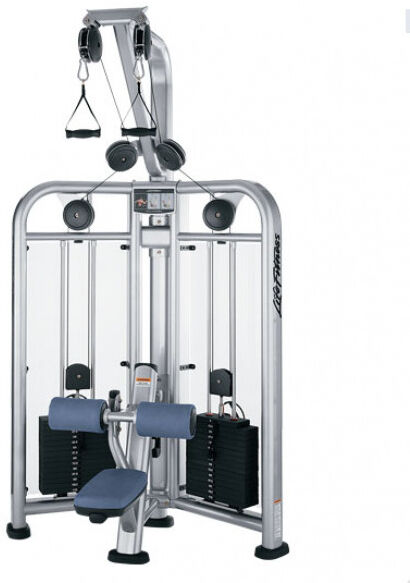
Life Fitness Life CMPD C/Motion PulldownCable Motionâ„¢ Technology from Life Fitness. It's multi-dimensional strength training. It's user-defined paths of motion that allow for an endless variety of exercises that build balance, stability, and power. It's infinite training choices - single stations, multi-use and multi-jungles. Turn...6768,00 £*Shipping: 0,00 £Secure redirect to the provider
-
What exactly does a specialist in information technology for data and process analysis do?
A specialist in information technology for data and process analysis is responsible for analyzing and interpreting data to identify trends, patterns, and insights that can be used to improve business processes and decision-making. They use various tools and techniques to collect, clean, and analyze data, and then present their findings to stakeholders in a clear and understandable manner. They also work to identify areas for process improvement and develop strategies to optimize workflows and increase efficiency. Overall, their role is to leverage technology and data to drive informed decision-making and improve business operations. **
-
Is a life without technology possible?
Yes, a life without technology is possible, as there are still many people around the world who live without modern technological conveniences. These individuals may rely on traditional methods for communication, transportation, and daily tasks. While technology has greatly improved our lives in many ways, it is not a necessity for survival, and some people choose to live a simpler, technology-free lifestyle. **
-
Has technology worsened the quality of life?
Technology has both improved and worsened the quality of life depending on how it is used. While technology has made communication easier and provided access to vast amounts of information, it has also led to issues such as social isolation, decreased physical activity, and privacy concerns. It is important for individuals to find a balance in their use of technology to ensure that it enhances rather than detracts from their overall quality of life. **
-
Does technology guarantee a good life for people?
Technology has the potential to greatly improve people's lives by providing access to information, communication, and convenience. However, it does not guarantee a good life for people on its own. The impact of technology on people's lives depends on how it is used and the social, economic, and political context in which it is implemented. Additionally, access to technology is not equal for everyone, so its benefits may not be equally distributed. Ultimately, a good life for people depends on a combination of factors, including access to resources, social support, and opportunities for personal growth and fulfillment. **
Similar search terms for Life
-
What prior knowledge does a specialist in information technology for system integration need?
A specialist in information technology for system integration needs a strong foundation in computer science, including knowledge of programming languages, operating systems, and network architecture. They also need to understand database management, cybersecurity, and cloud computing. Additionally, they should have expertise in integrating different software and hardware systems, as well as experience with project management and problem-solving skills. Finally, staying updated with the latest technological advancements and industry trends is crucial for a specialist in information technology for system integration. **
-
What knowledge is required for the training as a specialist in information technology?
To become a specialist in information technology, one needs to have a strong foundation in computer science, including knowledge of programming languages, algorithms, and data structures. Additionally, understanding of networking, cybersecurity, and database management is crucial. Knowledge of operating systems, software development, and IT project management is also essential for this role. Continuous learning and staying updated with the latest technological advancements is also important in this field. **
-
How can one slow down life by avoiding technology?
One can slow down life by avoiding technology by setting boundaries and limits on its usage. This can include turning off notifications, setting specific times for checking emails and social media, and taking regular breaks from screens. Engaging in activities that do not involve technology, such as reading a book, going for a walk, or spending time with loved ones, can also help slow down life and create a more mindful and present experience. Additionally, practicing mindfulness and being intentional about how one uses technology can help create a healthier balance and reduce the feeling of being constantly rushed and overwhelmed. **
-
What prior knowledge is required for the training as a specialist in information technology?
Prior knowledge required for training as a specialist in information technology includes a strong understanding of computer systems and networks, programming languages, and database management. Additionally, familiarity with operating systems, cybersecurity principles, and hardware components is essential. A solid foundation in mathematics and problem-solving skills is also beneficial for success in this field. Finally, staying updated with the latest technological advancements and industry trends is crucial for continuous learning and growth in the IT field. **
* All prices are inclusive of VAT and, if applicable, plus shipping costs. The offer information is based on the details provided by the respective shop and is updated through automated processes. Real-time updates do not occur, so deviations can occur in individual cases. ** Note: Parts of this content were created by AI.