Buy info24.eu ?
We are moving the project
info24.eu .
Are you interested in purchasing the domain
info24.eu ?
domain@kv-gmbh.de · 0541-91531010
Buy info24.eu ?
How can technology be used in the classroom?
Technology can be used in the classroom in various ways to enhance learning experiences. For example, teachers can use interactive whiteboards to engage students in lessons, educational apps and software can be used for personalized learning, and online resources can provide additional information and practice. Additionally, technology can facilitate communication between teachers, students, and parents, making it easier to share information and updates about student progress. Overall, integrating technology into the classroom can help make learning more engaging, interactive, and efficient. **
What exactly does a specialist in information technology for data and process analysis do?
A specialist in information technology for data and process analysis is responsible for analyzing and interpreting data to identify trends, patterns, and insights that can be used to improve business processes and decision-making. They use various tools and techniques to collect, clean, and analyze data, and then present their findings to stakeholders in a clear and understandable manner. They also work to identify areas for process improvement and develop strategies to optimize workflows and increase efficiency. Overall, their role is to leverage technology and data to drive informed decision-making and improve business operations. **

Similar search terms for SAGE-Publications-Classroom-Behaviour
Top-Angebote
Products related to SAGE-Publications-Classroom-Behaviour:
-
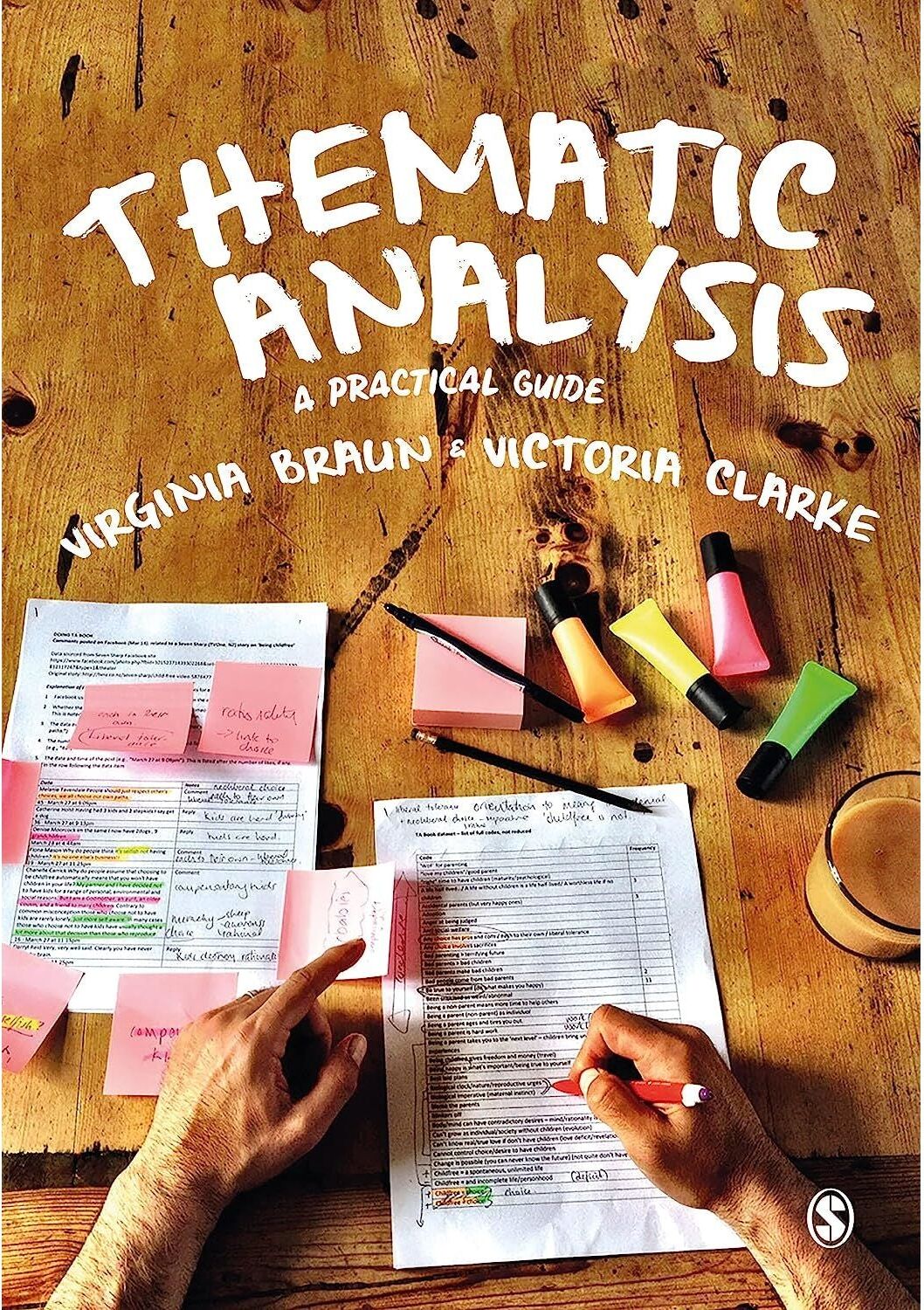
SAGE Publications Thematic Analysis: A Practical GuideDeveloped and adapted by the authors of this book, thematic analysis (TA) is one of the most popular qualitative data analytic techniques in psychology and the social and health sciences. Building on the success of Braun & Clarke′s 2006 paper first outlining their approach - which has over 100,000 citations on Google Scholar - this book is the definitive guide to TA, covering:- Contextualisation of TA- Developing themes- Writing TA reports- Reflexive TAIt addresses the common questions surrounding TA as well as developments in the field, offering a highly accessible and practical discussion of doing TA situated within a clear understanding of the wider terrain of qualitative research.Virginia Braun is a Professor in the School of Psychology at The University of Auckland, Aotearoa New Zealand.Victoria Clarke is an Associate Professor in Qualitative and Critical Psychology in the Department of Social Sciences at the University of the West of England (UWE), Bristol.35,49 £*Shipping: 0,00 £Secure redirect to the provider
-
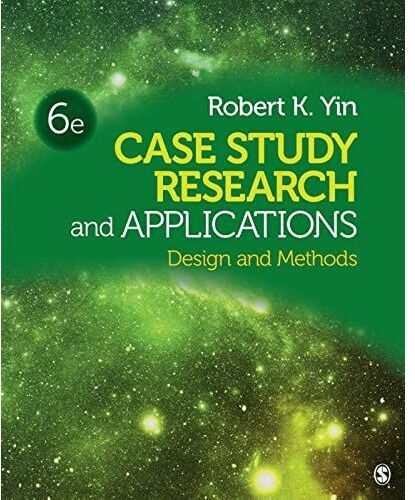
SAGE Publications Case Study Research and Applications: Design and MethodsRecognized as one of the most cited methodology books in the social sciences, the Sixth Edition of Robert K. Yin′s bestselling text provides a complete portal to the world of case study research. With the integration of 11 applications in this edition, the book gives readers access to exemplary case studies drawn from a wide variety of academic and applied fields. Ultimately, Case Study Research and Applications will guide students in the successful use and application of the case study research method.59,99 £*Shipping: 0,00 £Secure redirect to the provider
-
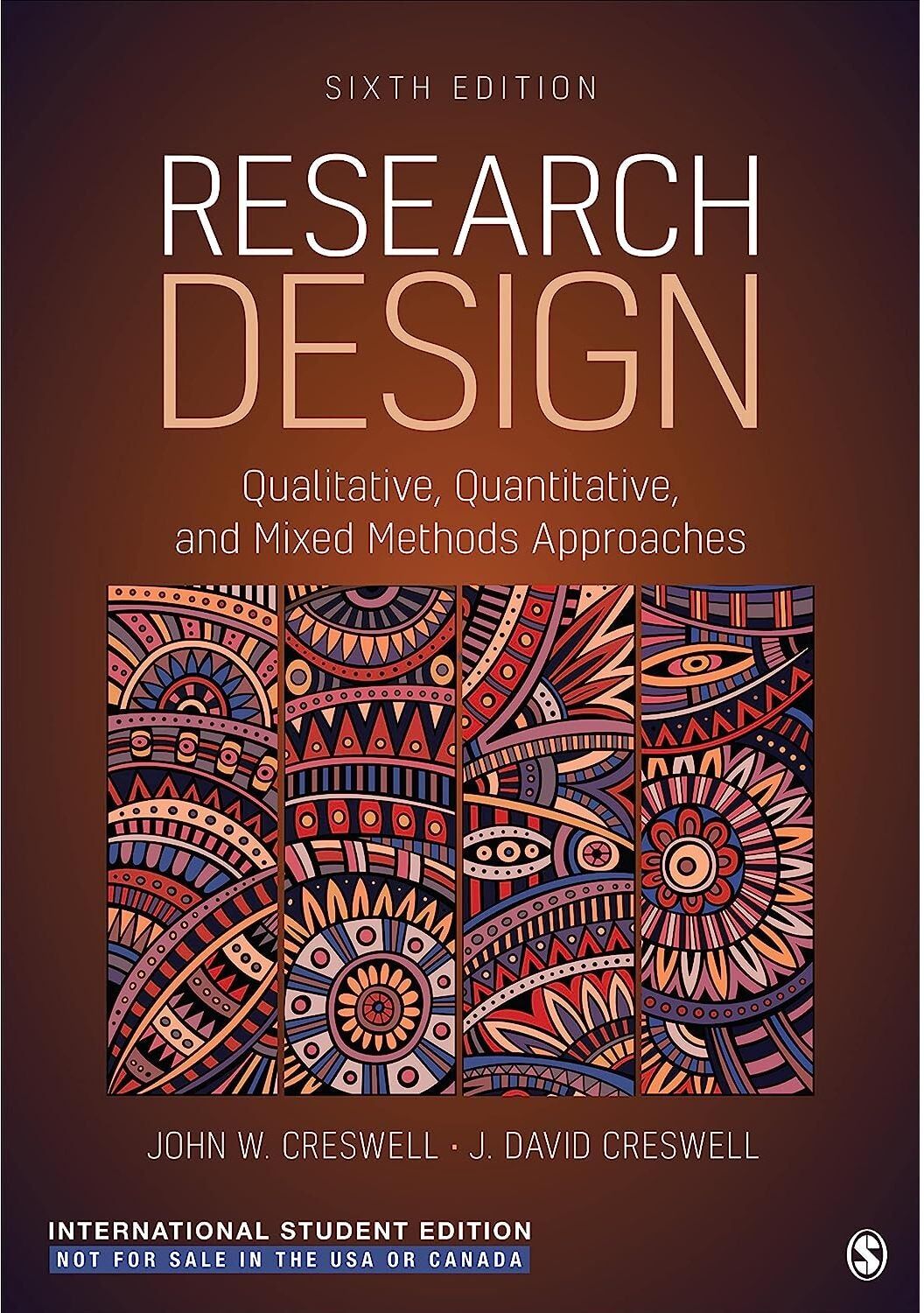
SAGE Publications Research Design - International Student Edition: Qualitative, Quantitative, and Mixed Methods ApproachesThe new edition of the best-selling text, Research Design: Qualitative, Quantitative, and Mixed Methods Approaches, continues the pioneering tradition of providing clear and concise instruction for understanding research and developing proposals for all three approaches. John W. Creswell and co-author J. David Creswell include a preliminary consideration of philosophical assumptions, a review of the literature, an assessment of the use of theory in research approaches, and reflections about the importance of writing and ethics in scholarly inquiry in a way that is applicable to all types of research. Key elements of the research process, giving specific attention to each approach. The book has been lauded for its language and tone, which are both accessible and inviting. It is a text that students keep and continue to use as a resource throughout their studies, once the specific class is over. The Sixth Edition includes more coverage of community-based participatory research, comparisons of qualitative and quantitative research, an expanded glossary with basic terms, updated examples of social, behavioural, and health research, new coverage of ethical requirements, updated APA 7th edition coverage, and additional exercises aimed at research projects.59,95 £*Shipping: 0,00 £Secure redirect to the provider
-
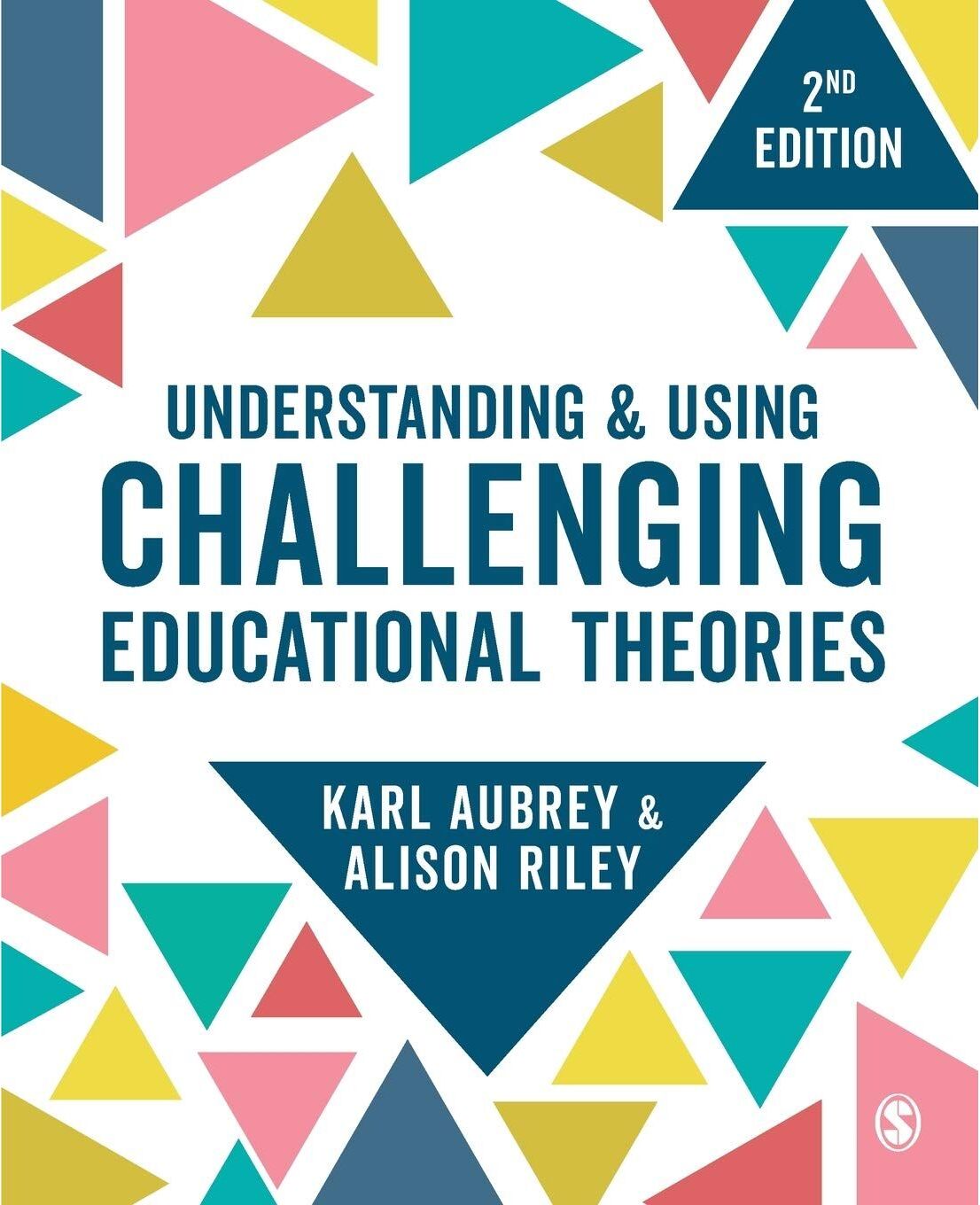
SAGE Publications Understanding and Using Challenging Educational TheoriesIntroducing you to 18 key educational thinkers who have offered challenging perspectives on education, this new edition comes with:- 3 new chapters on Ivan Illich, Loris Malaguzzi and Michael Apple- A glossary of key words related to each theorist’s work- A context-setting overview of key themes- Practical examples that shows how theories can be applied to your practice17,49 £*Shipping: 2,99 £Secure redirect to the provider
-
What prior knowledge does a specialist in information technology for system integration need?
A specialist in information technology for system integration needs a strong foundation in computer science, including knowledge of programming languages, operating systems, and network architecture. They also need to understand database management, cybersecurity, and cloud computing. Additionally, they should have expertise in integrating different software and hardware systems, as well as experience with project management and problem-solving skills. Finally, staying updated with the latest technological advancements and industry trends is crucial for a specialist in information technology for system integration. **
-
What knowledge is required for the training as a specialist in information technology?
To become a specialist in information technology, one needs to have a strong foundation in computer science, including knowledge of programming languages, algorithms, and data structures. Additionally, understanding of networking, cybersecurity, and database management is crucial. Knowledge of operating systems, software development, and IT project management is also essential for this role. Continuous learning and staying updated with the latest technological advancements is also important in this field. **
-
What prior knowledge is required for the training as a specialist in information technology?
Prior knowledge required for training as a specialist in information technology includes a strong understanding of computer systems and networks, programming languages, and database management. Additionally, familiarity with operating systems, cybersecurity principles, and hardware components is essential. A solid foundation in mathematics and problem-solving skills is also beneficial for success in this field. Finally, staying updated with the latest technological advancements and industry trends is crucial for continuous learning and growth in the IT field. **
-
Does anyone do genealogy research? How do you obtain your information and data?
Yes, many people do genealogy research to trace their family history. There are various ways to obtain information and data for genealogy research, including using online databases, visiting local libraries and archives, interviewing family members, and utilizing DNA testing services. Online resources such as Ancestry.com, FamilySearch.org, and MyHeritage.com provide access to historical records, census data, and other genealogical information. Additionally, many people also use social media and networking platforms to connect with distant relatives and share family history information. **
Is it possible to start an apprenticeship as a specialist in information technology without any prior knowledge?
It is possible to start an apprenticeship as a specialist in information technology without any prior knowledge, but it may be more challenging. Many apprenticeship programs are designed to provide on-the-job training and education for individuals with little to no experience in the field. However, having some basic knowledge or skills in IT can be beneficial and make the learning process easier. It's important to research the specific requirements and expectations of the apprenticeship program to determine if it is feasible to start without prior knowledge. **
Where can I best obtain knowledge and information about technology and similar topics to become more enthusiastic about it?
You can obtain knowledge and information about technology and similar topics from a variety of sources. Online platforms like Coursera, Udemy, and Khan Academy offer a wide range of courses on technology-related subjects. Additionally, websites like TechCrunch, Wired, and The Verge provide news and analysis on the latest trends and developments in the tech industry. You can also join tech-focused communities and forums such as Stack Overflow and GitHub to engage with like-minded individuals and learn from their experiences. **
Top-Angebote
Products related to SAGE-Publications-Classroom-Behaviour:
-
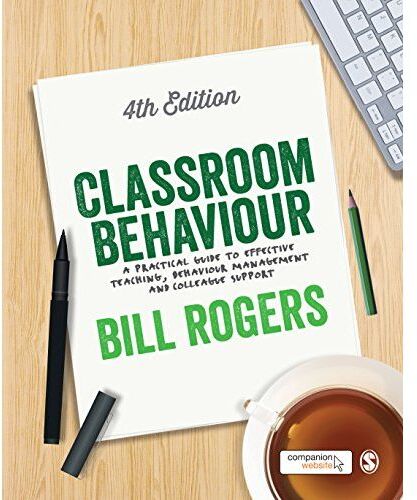
SAGE Publications Classroom Behaviour by Bill RogersThis exciting new edition of the best-selling and beloved teacher's companion looks at the everyday behaviour issues facing teachers working in today's classrooms. Describing real situations and dilemmas, Bill Rogers provides theoretically sound strategies and best practices to support you in meeting the challenges of the job, as well as building up a rapport with both students and colleagues to enable positive and productive learning environments. Written jargon-free in Bill's accessible and empathetic voice it includes in-depth strategies, practical examples, case studies and pragmatic hints and tips to put in to practice. This will make for informative and inspiring reading to all those involved in educating our children and young people. The new edition has been revised and updated and now also includes access to an interactive website packed with a host of extra material to take you further. Videos of Bill demonstrating his behaviour strategies in real classroom settings Podcasts where Bill explains his ideas and ethos in more detail as well as answering teachers' FAQs Extra reading material for even more support on difficult subjects Behaviour Management Tool Templates to use with students in the everyday classroom Role-play scenario cards to help understand and prepare for challenging situations "We often think of behaviour management in terms of dealing with challenging behaviour, but Dr Rogers begins by looking at classroom organisation and whole-class strategies. Alongside the theory, he provides examples that create a much deeper understanding of exactly what works and what doesn’t." - Special magazine24,99 £*Shipping: 2,99 £Secure redirect to the provider
-
SAGE Publications Miss, I dont give a sh*t : Engaging with challenging behaviour in schoolsDo you want to be an inspiring teacher for everyone you teach, even the trickier cherubs in your class? Or maybe you just want to get through a lesson without a desk flying at you or a blazer being set alight? In this down-to-earth book Adele Bates shares practical approaches, strategies and tips from the classroom on how to help pupils with behavioural needs thrive with their education. Packed full of real-life classroom scenarios, student voice and relevant theory, every chapter offers an Action Box helping you to implement these strategies – next lesson, next week and long term. From relationship building and teaching self-regulation, to fostering inclusivity, paying attention to your own self-care and schoolwide approaches, Adele Bates unpicks some of the most difficult aspects of being a teacher and empowers you to grow as a confident classroom professional.15,69 £*Shipping: 2,99 £Secure redirect to the provider
-
SAGE Publications Thematic Analysis: A Practical GuideDeveloped and adapted by the authors of this book, thematic analysis (TA) is one of the most popular qualitative data analytic techniques in psychology and the social and health sciences. Building on the success of Braun & Clarke′s 2006 paper first outlining their approach - which has over 100,000 citations on Google Scholar - this book is the definitive guide to TA, covering:- Contextualisation of TA- Developing themes- Writing TA reports- Reflexive TAIt addresses the common questions surrounding TA as well as developments in the field, offering a highly accessible and practical discussion of doing TA situated within a clear understanding of the wider terrain of qualitative research.Virginia Braun is a Professor in the School of Psychology at The University of Auckland, Aotearoa New Zealand.Victoria Clarke is an Associate Professor in Qualitative and Critical Psychology in the Department of Social Sciences at the University of the West of England (UWE), Bristol.35,49 £*Shipping: 0,00 £Secure redirect to the provider
-
SAGE Publications Case Study Research and Applications: Design and MethodsRecognized as one of the most cited methodology books in the social sciences, the Sixth Edition of Robert K. Yin′s bestselling text provides a complete portal to the world of case study research. With the integration of 11 applications in this edition, the book gives readers access to exemplary case studies drawn from a wide variety of academic and applied fields. Ultimately, Case Study Research and Applications will guide students in the successful use and application of the case study research method.59,99 £*Shipping: 0,00 £Secure redirect to the provider
-
How can technology be used in the classroom?
Technology can be used in the classroom in various ways to enhance learning experiences. For example, teachers can use interactive whiteboards to engage students in lessons, educational apps and software can be used for personalized learning, and online resources can provide additional information and practice. Additionally, technology can facilitate communication between teachers, students, and parents, making it easier to share information and updates about student progress. Overall, integrating technology into the classroom can help make learning more engaging, interactive, and efficient. **
-
What exactly does a specialist in information technology for data and process analysis do?
A specialist in information technology for data and process analysis is responsible for analyzing and interpreting data to identify trends, patterns, and insights that can be used to improve business processes and decision-making. They use various tools and techniques to collect, clean, and analyze data, and then present their findings to stakeholders in a clear and understandable manner. They also work to identify areas for process improvement and develop strategies to optimize workflows and increase efficiency. Overall, their role is to leverage technology and data to drive informed decision-making and improve business operations. **
-
What prior knowledge does a specialist in information technology for system integration need?
A specialist in information technology for system integration needs a strong foundation in computer science, including knowledge of programming languages, operating systems, and network architecture. They also need to understand database management, cybersecurity, and cloud computing. Additionally, they should have expertise in integrating different software and hardware systems, as well as experience with project management and problem-solving skills. Finally, staying updated with the latest technological advancements and industry trends is crucial for a specialist in information technology for system integration. **
-
What knowledge is required for the training as a specialist in information technology?
To become a specialist in information technology, one needs to have a strong foundation in computer science, including knowledge of programming languages, algorithms, and data structures. Additionally, understanding of networking, cybersecurity, and database management is crucial. Knowledge of operating systems, software development, and IT project management is also essential for this role. Continuous learning and staying updated with the latest technological advancements is also important in this field. **
Similar search terms for SAGE-Publications-Classroom-Behaviour
-
SAGE Publications Research Design - International Student Edition: Qualitative, Quantitative, and Mixed Methods ApproachesThe new edition of the best-selling text, Research Design: Qualitative, Quantitative, and Mixed Methods Approaches, continues the pioneering tradition of providing clear and concise instruction for understanding research and developing proposals for all three approaches. John W. Creswell and co-author J. David Creswell include a preliminary consideration of philosophical assumptions, a review of the literature, an assessment of the use of theory in research approaches, and reflections about the importance of writing and ethics in scholarly inquiry in a way that is applicable to all types of research. Key elements of the research process, giving specific attention to each approach. The book has been lauded for its language and tone, which are both accessible and inviting. It is a text that students keep and continue to use as a resource throughout their studies, once the specific class is over. The Sixth Edition includes more coverage of community-based participatory research, comparisons of qualitative and quantitative research, an expanded glossary with basic terms, updated examples of social, behavioural, and health research, new coverage of ethical requirements, updated APA 7th edition coverage, and additional exercises aimed at research projects.59,95 £*Shipping: 0,00 £Secure redirect to the provider
-
SAGE Publications Understanding and Using Challenging Educational TheoriesIntroducing you to 18 key educational thinkers who have offered challenging perspectives on education, this new edition comes with:- 3 new chapters on Ivan Illich, Loris Malaguzzi and Michael Apple- A glossary of key words related to each theorist’s work- A context-setting overview of key themes- Practical examples that shows how theories can be applied to your practice17,49 £*Shipping: 2,99 £Secure redirect to the provider
-
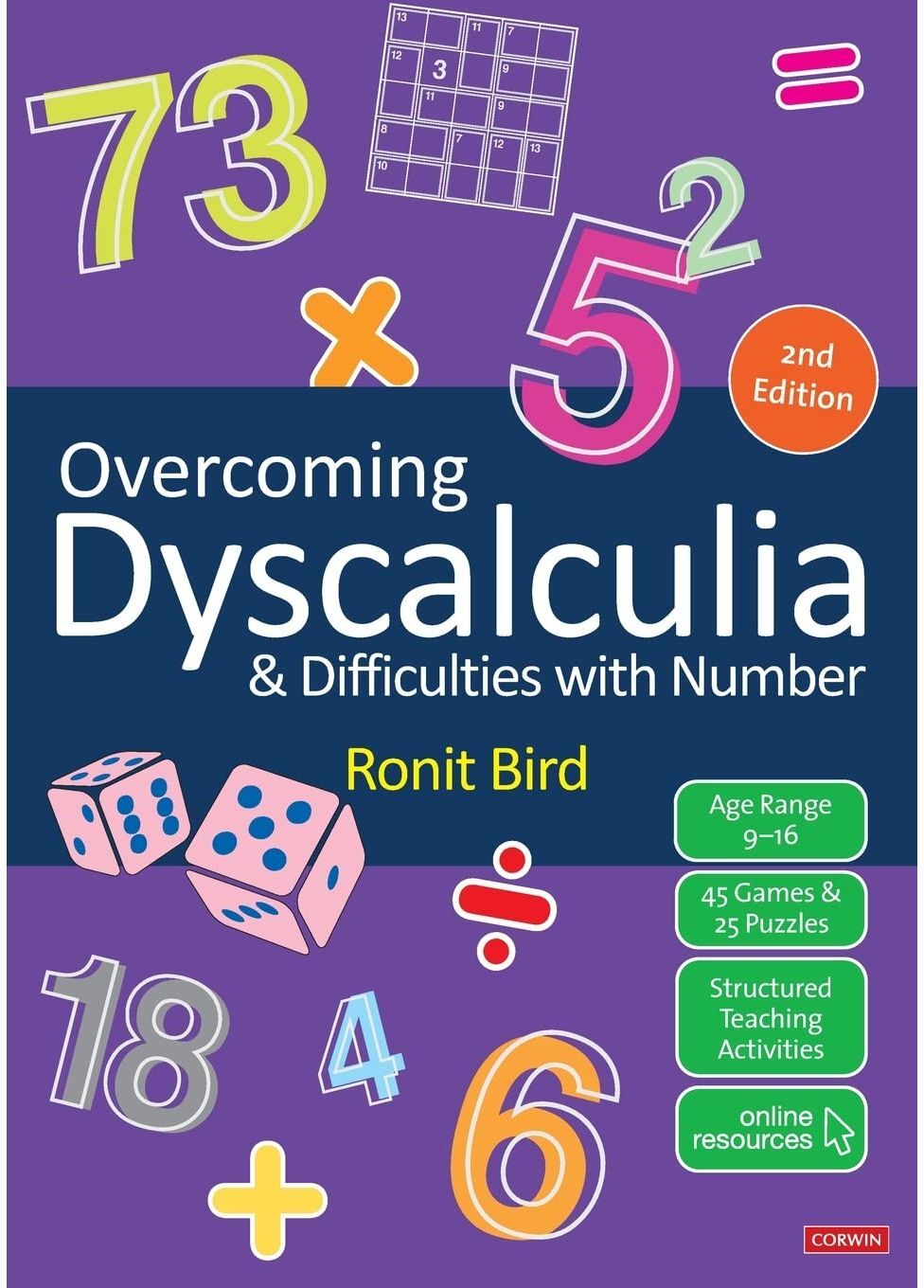
SAGE Publications Overcoming Dyscalculia and Difficulties with NumberThis practical book draws on Ronit Bird’s teaching experience to create detailed strategies and teaching plans for students aged 9-16 who have difficulties with number. Activities and games are used to teach numeracy skills in these key areas: number components, bridging, multiplication, division and reasoning strategies. New to this edition: An updated Part I, improving the clarity and flow of the teaching ideas, including a table mapping games against specific teaching points More activities and guidance for multiplication and division A new Part V, consolidating new and existing teaching games in one place 4 new videos added to the online resources This is an ideal resource for class teachers, SENCO (Special Educational Needs Co-ordinator) and maths subject leader, and is equally useful for teaching assistants and learning support assistants.27,95 £*Shipping: 2,99 £Secure redirect to the provider
-
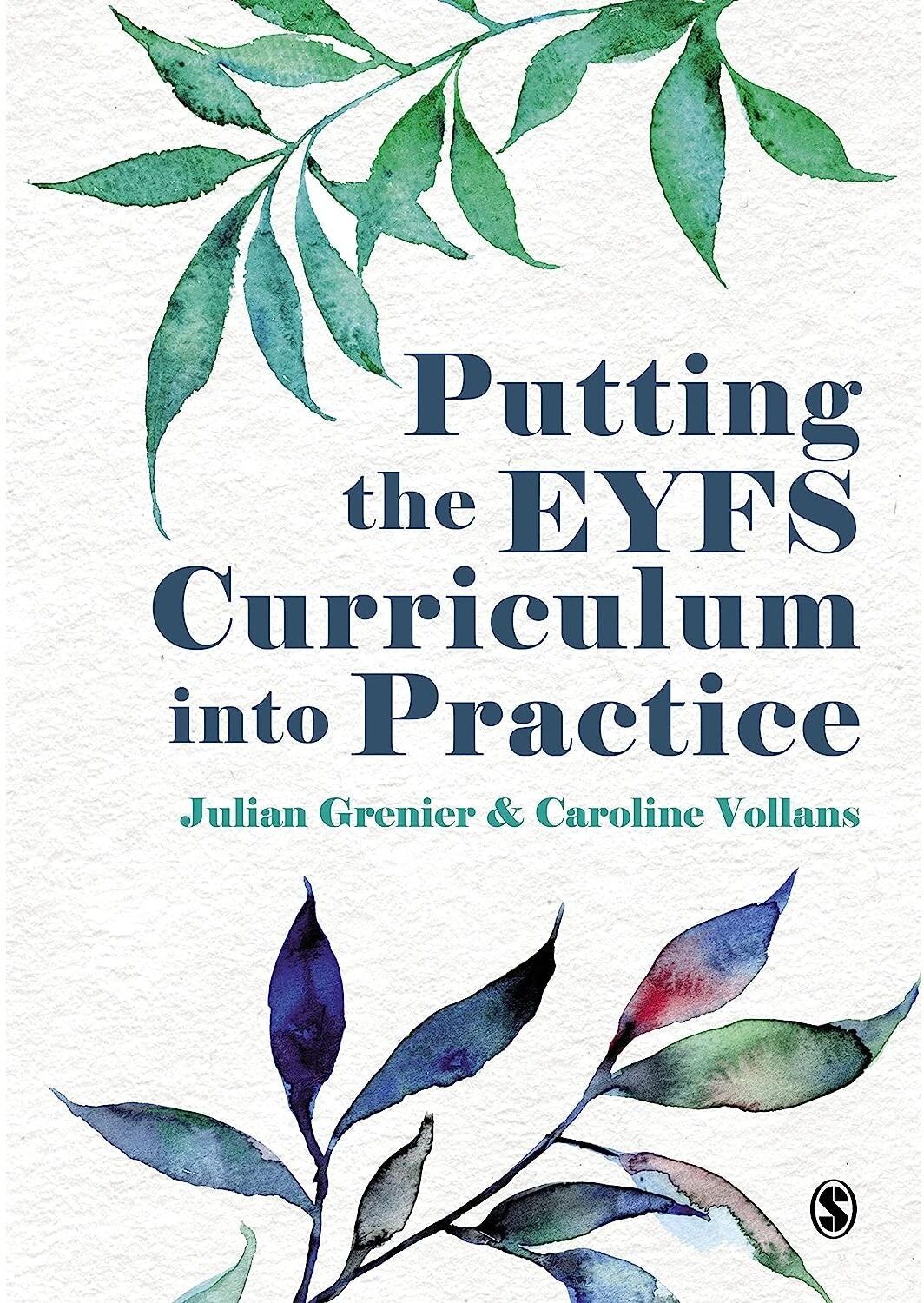
SAGE Publications Putting the EYFS Curriculum into PracticeHow should practitioners and leaders set about designing and implementing their curriculum in the Early Years Foundation Stage? Written by experts in the field, this book provides clear, practical guidance on each of the 7 areas of learning and development in the revised (2021) EYFS. Chapters cover key topics including, assessment, inclusion of children with SEND, English as an Additional Language, equalities, anti-racism, provision for disadvantaged children, professional development and using research and evidence.Designed for practising teachers, early years educators, students on early years degrees and trainee teachers, this engaging book provides an accessible guide to putting revised EYFS into practice.20,99 £*Shipping: 2,99 £Secure redirect to the provider
-
What prior knowledge is required for the training as a specialist in information technology?
Prior knowledge required for training as a specialist in information technology includes a strong understanding of computer systems and networks, programming languages, and database management. Additionally, familiarity with operating systems, cybersecurity principles, and hardware components is essential. A solid foundation in mathematics and problem-solving skills is also beneficial for success in this field. Finally, staying updated with the latest technological advancements and industry trends is crucial for continuous learning and growth in the IT field. **
-
Does anyone do genealogy research? How do you obtain your information and data?
Yes, many people do genealogy research to trace their family history. There are various ways to obtain information and data for genealogy research, including using online databases, visiting local libraries and archives, interviewing family members, and utilizing DNA testing services. Online resources such as Ancestry.com, FamilySearch.org, and MyHeritage.com provide access to historical records, census data, and other genealogical information. Additionally, many people also use social media and networking platforms to connect with distant relatives and share family history information. **
-
Is it possible to start an apprenticeship as a specialist in information technology without any prior knowledge?
It is possible to start an apprenticeship as a specialist in information technology without any prior knowledge, but it may be more challenging. Many apprenticeship programs are designed to provide on-the-job training and education for individuals with little to no experience in the field. However, having some basic knowledge or skills in IT can be beneficial and make the learning process easier. It's important to research the specific requirements and expectations of the apprenticeship program to determine if it is feasible to start without prior knowledge. **
-
Where can I best obtain knowledge and information about technology and similar topics to become more enthusiastic about it?
You can obtain knowledge and information about technology and similar topics from a variety of sources. Online platforms like Coursera, Udemy, and Khan Academy offer a wide range of courses on technology-related subjects. Additionally, websites like TechCrunch, Wired, and The Verge provide news and analysis on the latest trends and developments in the tech industry. You can also join tech-focused communities and forums such as Stack Overflow and GitHub to engage with like-minded individuals and learn from their experiences. **
* All prices are inclusive of VAT and, if applicable, plus shipping costs. The offer information is based on the details provided by the respective shop and is updated through automated processes. Real-time updates do not occur, so deviations can occur in individual cases. ** Note: Parts of this content were created by AI.