Buy info24.eu ?
We are moving the project
info24.eu .
Are you interested in purchasing the domain
info24.eu ?
domain@kv-gmbh.de · 0541-91531010
Buy info24.eu ?
How do I write an introduction for an analysis?
When writing an introduction for an analysis, start by providing some background information on the topic you will be analyzing. Clearly state the purpose of your analysis and outline the main points or arguments you will be discussing. You can also briefly mention the significance of the topic and why it is important to analyze it. Finally, end your introduction with a strong thesis statement that presents the main argument or conclusion of your analysis. **
What are personal publications?
Personal publications are writings or works that are created and published by an individual, rather than by a company or organization. These can include self-published books, blogs, social media posts, and other forms of content that are created and shared by an individual. Personal publications often reflect the unique perspectives, experiences, and expertise of the individual creator, and can cover a wide range of topics and genres. **
Similar search terms for SAGE-Publications-An-Introduction
Top-Angebote
Products related to SAGE-Publications-An-Introduction:
-
SAGE Publications Case Study Research and Applications: Design and MethodsRecognized as one of the most cited methodology books in the social sciences, the Sixth Edition of Robert K. Yin′s bestselling text provides a complete portal to the world of case study research. With the integration of 11 applications in this edition, the book gives readers access to exemplary case studies drawn from a wide variety of academic and applied fields. Ultimately, Case Study Research and Applications will guide students in the successful use and application of the case study research method.59,99 £*Shipping: 0,00 £Secure redirect to the provider
-
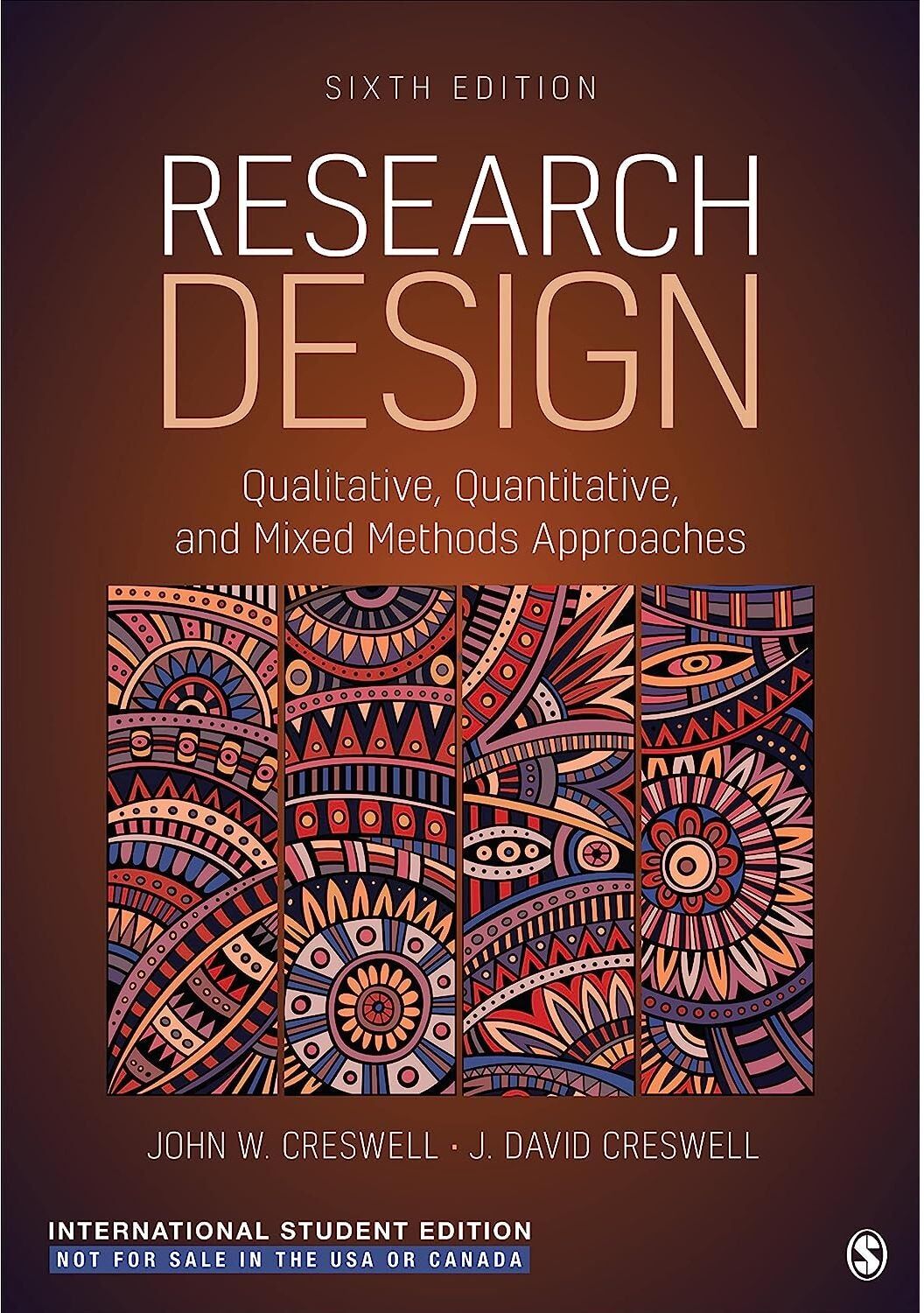
SAGE Publications Research Design - International Student Edition: Qualitative, Quantitative, and Mixed Methods ApproachesThe new edition of the best-selling text, Research Design: Qualitative, Quantitative, and Mixed Methods Approaches, continues the pioneering tradition of providing clear and concise instruction for understanding research and developing proposals for all three approaches. John W. Creswell and co-author J. David Creswell include a preliminary consideration of philosophical assumptions, a review of the literature, an assessment of the use of theory in research approaches, and reflections about the importance of writing and ethics in scholarly inquiry in a way that is applicable to all types of research. Key elements of the research process, giving specific attention to each approach. The book has been lauded for its language and tone, which are both accessible and inviting. It is a text that students keep and continue to use as a resource throughout their studies, once the specific class is over. The Sixth Edition includes more coverage of community-based participatory research, comparisons of qualitative and quantitative research, an expanded glossary with basic terms, updated examples of social, behavioural, and health research, new coverage of ethical requirements, updated APA 7th edition coverage, and additional exercises aimed at research projects.59,95 £*Shipping: 0,00 £Secure redirect to the provider
-
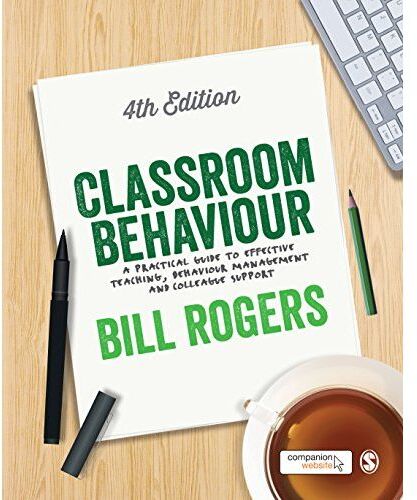
SAGE Publications Classroom Behaviour by Bill RogersThis exciting new edition of the best-selling and beloved teacher's companion looks at the everyday behaviour issues facing teachers working in today's classrooms. Describing real situations and dilemmas, Bill Rogers provides theoretically sound strategies and best practices to support you in meeting the challenges of the job, as well as building up a rapport with both students and colleagues to enable positive and productive learning environments. Written jargon-free in Bill's accessible and empathetic voice it includes in-depth strategies, practical examples, case studies and pragmatic hints and tips to put in to practice. This will make for informative and inspiring reading to all those involved in educating our children and young people. The new edition has been revised and updated and now also includes access to an interactive website packed with a host of extra material to take you further. Videos of Bill demonstrating his behaviour strategies in real classroom settings Podcasts where Bill explains his ideas and ethos in more detail as well as answering teachers' FAQs Extra reading material for even more support on difficult subjects Behaviour Management Tool Templates to use with students in the everyday classroom Role-play scenario cards to help understand and prepare for challenging situations "We often think of behaviour management in terms of dealing with challenging behaviour, but Dr Rogers begins by looking at classroom organisation and whole-class strategies. Alongside the theory, he provides examples that create a much deeper understanding of exactly what works and what doesn’t." - Special magazine24,99 £*Shipping: 2,99 £Secure redirect to the provider
-
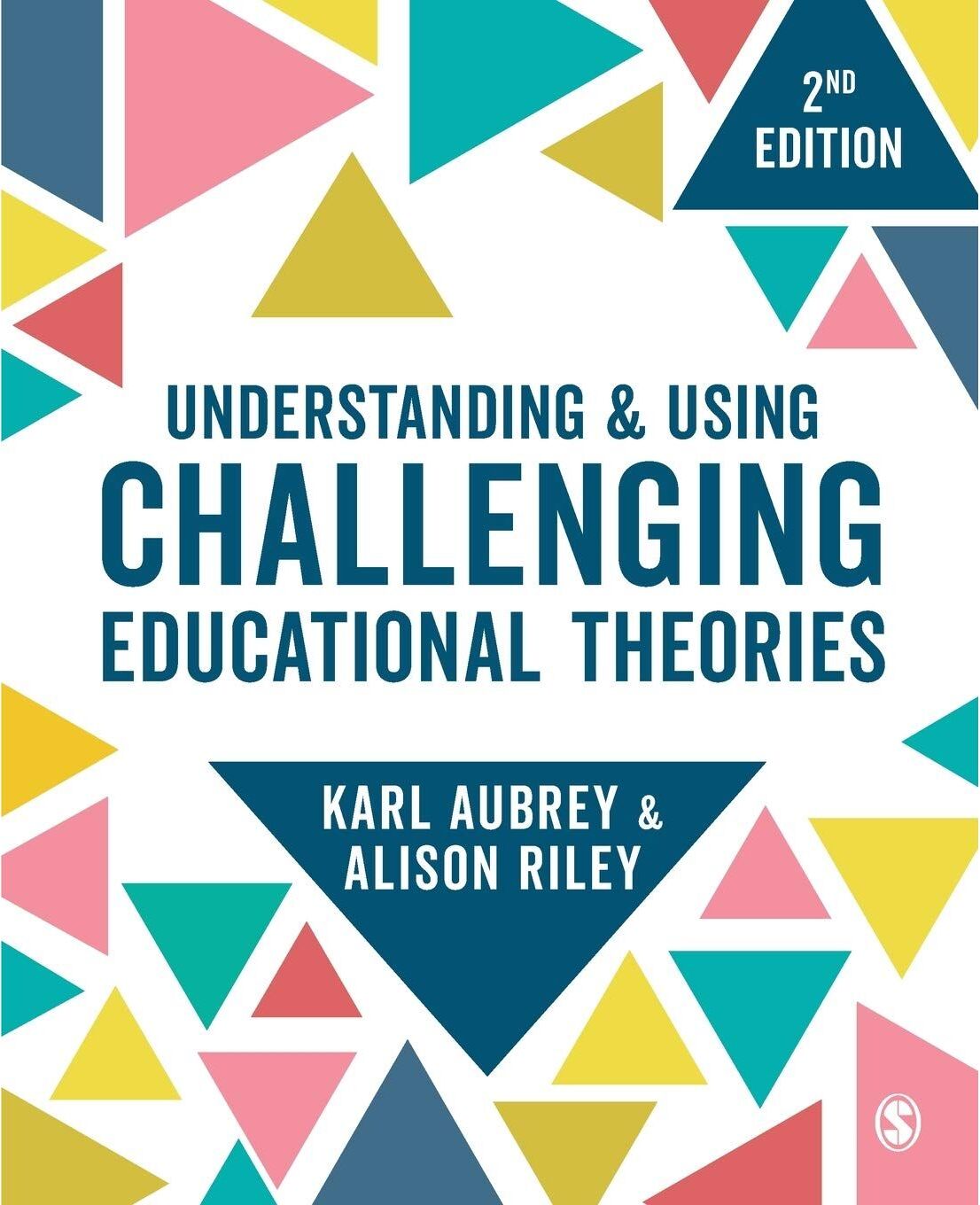
SAGE Publications Understanding and Using Challenging Educational TheoriesIntroducing you to 18 key educational thinkers who have offered challenging perspectives on education, this new edition comes with:- 3 new chapters on Ivan Illich, Loris Malaguzzi and Michael Apple- A glossary of key words related to each theorist’s work- A context-setting overview of key themes- Practical examples that shows how theories can be applied to your practice17,49 £*Shipping: 2,99 £Secure redirect to the provider

-
How do I write an introduction for an analysis in English?
When writing an introduction for an analysis in English, it is important to start by providing some background information on the topic or text you will be analyzing. You can also include a brief overview of the main points or arguments you will be discussing in your analysis. Additionally, it is helpful to clearly state your thesis or main argument in the introduction to provide a roadmap for your analysis. Finally, you can also consider including a hook or attention-grabbing statement to engage your reader and make them interested in your analysis. **
-
Is an exposé an introduction?
No, an exposé is not an introduction. An exposé is a detailed and in-depth investigation or report that reveals hidden or scandalous information about a person, organization, or situation. It is meant to uncover the truth and provide a comprehensive analysis of the subject matter. On the other hand, an introduction is the opening part of a piece of writing or speech that provides background information and sets the stage for the main content. While an exposé may include an introduction, it is not synonymous with one. **
-
How can one write a creative introduction for an analysis?
To write a creative introduction for an analysis, you can start by using a thought-provoking question or a powerful quote related to the topic. You could also begin with an engaging anecdote or a vivid description to draw the reader in. Another approach is to provide some background information or context that sets the stage for the analysis. By using these techniques, you can capture the reader's attention and make them eager to continue reading your analysis. **
-
How can one formulate an introduction for a cartoon analysis?
To formulate an introduction for a cartoon analysis, one can start by providing background information about the cartoonist, the publication date, and the context in which the cartoon was created. Next, introduce the specific cartoon being analyzed and briefly describe its content and visual elements. Finally, state the purpose of the analysis and outline the main points that will be discussed in the following paragraphs. This approach will help set the stage for a comprehensive analysis of the cartoon. **
"Sage lower classifications"
Sage lower classifications refer to the specific categories or subgroups within the broader classification of the plant genus Salvia, commonly known as sage. These lower classifications may include species, varieties, or cultivars that have distinct characteristics and are grouped together based on their genetic and morphological similarities. By organizing sage plants into lower classifications, it becomes easier for botanists and horticulturists to study, categorize, and understand the diversity within the genus Salvia. **
What could an introduction for a research paper look like?
An introduction for a research paper typically begins with a broad overview of the topic, providing background information and context for the study. It may then narrow down to the specific research question or problem being addressed in the paper. The introduction should also outline the significance of the research, explaining why it is important or relevant. Finally, it should end with a clear thesis statement that previews the main points or arguments that will be discussed in the paper. **
Top-Angebote
Products related to SAGE-Publications-An-Introduction:
-
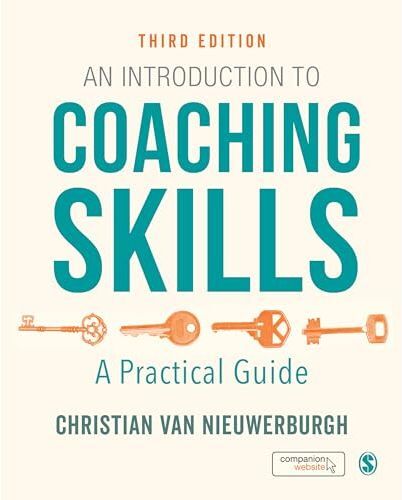
SAGE Publications An Introduction to Coaching Skills: A Practical GuideTo access the exclusive SAGE Videos, please see the code and instructions on the inside front cover of your textbook. If you have purchased the eBook from Amazon or another online retailer, please visit the book′s online resource site to contact SAGE, and we will assist further. This bestselling book introduces you step-by-step to the key skills needed to become a successful coach. Supported by an Online Resource site with over 70 videos of coaching in action, this practical book will be an invaluable resource for novices and trainee coaches.19,49 £*Shipping: 2,99 £Secure redirect to the provider
-
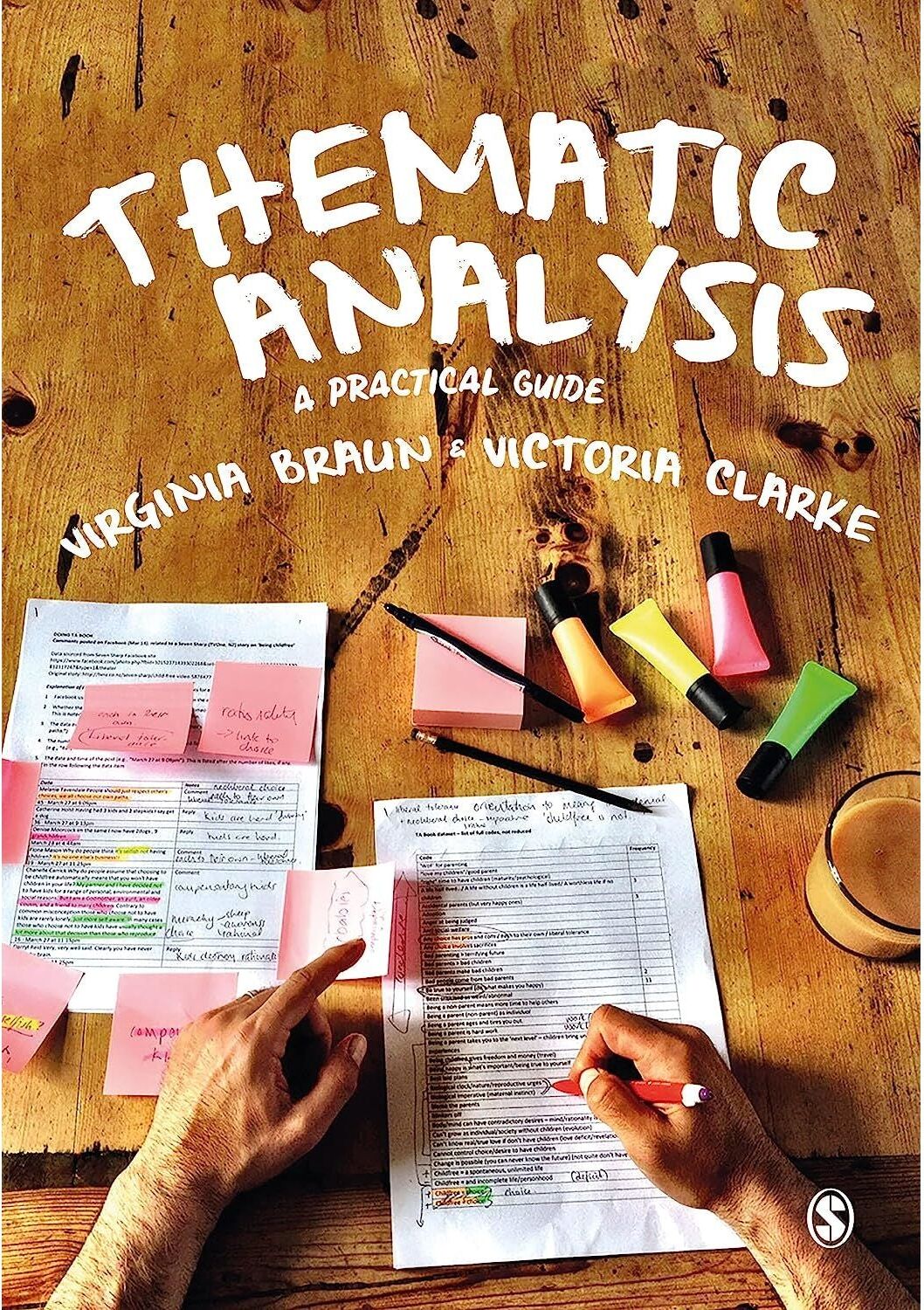
SAGE Publications Thematic Analysis: A Practical GuideDeveloped and adapted by the authors of this book, thematic analysis (TA) is one of the most popular qualitative data analytic techniques in psychology and the social and health sciences. Building on the success of Braun & Clarke′s 2006 paper first outlining their approach - which has over 100,000 citations on Google Scholar - this book is the definitive guide to TA, covering:- Contextualisation of TA- Developing themes- Writing TA reports- Reflexive TAIt addresses the common questions surrounding TA as well as developments in the field, offering a highly accessible and practical discussion of doing TA situated within a clear understanding of the wider terrain of qualitative research.Virginia Braun is a Professor in the School of Psychology at The University of Auckland, Aotearoa New Zealand.Victoria Clarke is an Associate Professor in Qualitative and Critical Psychology in the Department of Social Sciences at the University of the West of England (UWE), Bristol.35,49 £*Shipping: 0,00 £Secure redirect to the provider
-
SAGE Publications Case Study Research and Applications: Design and MethodsRecognized as one of the most cited methodology books in the social sciences, the Sixth Edition of Robert K. Yin′s bestselling text provides a complete portal to the world of case study research. With the integration of 11 applications in this edition, the book gives readers access to exemplary case studies drawn from a wide variety of academic and applied fields. Ultimately, Case Study Research and Applications will guide students in the successful use and application of the case study research method.59,99 £*Shipping: 0,00 £Secure redirect to the provider
-
SAGE Publications Research Design - International Student Edition: Qualitative, Quantitative, and Mixed Methods ApproachesThe new edition of the best-selling text, Research Design: Qualitative, Quantitative, and Mixed Methods Approaches, continues the pioneering tradition of providing clear and concise instruction for understanding research and developing proposals for all three approaches. John W. Creswell and co-author J. David Creswell include a preliminary consideration of philosophical assumptions, a review of the literature, an assessment of the use of theory in research approaches, and reflections about the importance of writing and ethics in scholarly inquiry in a way that is applicable to all types of research. Key elements of the research process, giving specific attention to each approach. The book has been lauded for its language and tone, which are both accessible and inviting. It is a text that students keep and continue to use as a resource throughout their studies, once the specific class is over. The Sixth Edition includes more coverage of community-based participatory research, comparisons of qualitative and quantitative research, an expanded glossary with basic terms, updated examples of social, behavioural, and health research, new coverage of ethical requirements, updated APA 7th edition coverage, and additional exercises aimed at research projects.59,95 £*Shipping: 0,00 £Secure redirect to the provider
-
How do I write an introduction for an analysis?
When writing an introduction for an analysis, start by providing some background information on the topic you will be analyzing. Clearly state the purpose of your analysis and outline the main points or arguments you will be discussing. You can also briefly mention the significance of the topic and why it is important to analyze it. Finally, end your introduction with a strong thesis statement that presents the main argument or conclusion of your analysis. **
-
What are personal publications?
Personal publications are writings or works that are created and published by an individual, rather than by a company or organization. These can include self-published books, blogs, social media posts, and other forms of content that are created and shared by an individual. Personal publications often reflect the unique perspectives, experiences, and expertise of the individual creator, and can cover a wide range of topics and genres. **
-
How do I write an introduction for an analysis in English?
When writing an introduction for an analysis in English, it is important to start by providing some background information on the topic or text you will be analyzing. You can also include a brief overview of the main points or arguments you will be discussing in your analysis. Additionally, it is helpful to clearly state your thesis or main argument in the introduction to provide a roadmap for your analysis. Finally, you can also consider including a hook or attention-grabbing statement to engage your reader and make them interested in your analysis. **
-
Is an exposé an introduction?
No, an exposé is not an introduction. An exposé is a detailed and in-depth investigation or report that reveals hidden or scandalous information about a person, organization, or situation. It is meant to uncover the truth and provide a comprehensive analysis of the subject matter. On the other hand, an introduction is the opening part of a piece of writing or speech that provides background information and sets the stage for the main content. While an exposé may include an introduction, it is not synonymous with one. **
Similar search terms for SAGE-Publications-An-Introduction
-
SAGE Publications Classroom Behaviour by Bill RogersThis exciting new edition of the best-selling and beloved teacher's companion looks at the everyday behaviour issues facing teachers working in today's classrooms. Describing real situations and dilemmas, Bill Rogers provides theoretically sound strategies and best practices to support you in meeting the challenges of the job, as well as building up a rapport with both students and colleagues to enable positive and productive learning environments. Written jargon-free in Bill's accessible and empathetic voice it includes in-depth strategies, practical examples, case studies and pragmatic hints and tips to put in to practice. This will make for informative and inspiring reading to all those involved in educating our children and young people. The new edition has been revised and updated and now also includes access to an interactive website packed with a host of extra material to take you further. Videos of Bill demonstrating his behaviour strategies in real classroom settings Podcasts where Bill explains his ideas and ethos in more detail as well as answering teachers' FAQs Extra reading material for even more support on difficult subjects Behaviour Management Tool Templates to use with students in the everyday classroom Role-play scenario cards to help understand and prepare for challenging situations "We often think of behaviour management in terms of dealing with challenging behaviour, but Dr Rogers begins by looking at classroom organisation and whole-class strategies. Alongside the theory, he provides examples that create a much deeper understanding of exactly what works and what doesn’t." - Special magazine24,99 £*Shipping: 2,99 £Secure redirect to the provider
-
SAGE Publications Understanding and Using Challenging Educational TheoriesIntroducing you to 18 key educational thinkers who have offered challenging perspectives on education, this new edition comes with:- 3 new chapters on Ivan Illich, Loris Malaguzzi and Michael Apple- A glossary of key words related to each theorist’s work- A context-setting overview of key themes- Practical examples that shows how theories can be applied to your practice17,49 £*Shipping: 2,99 £Secure redirect to the provider
-
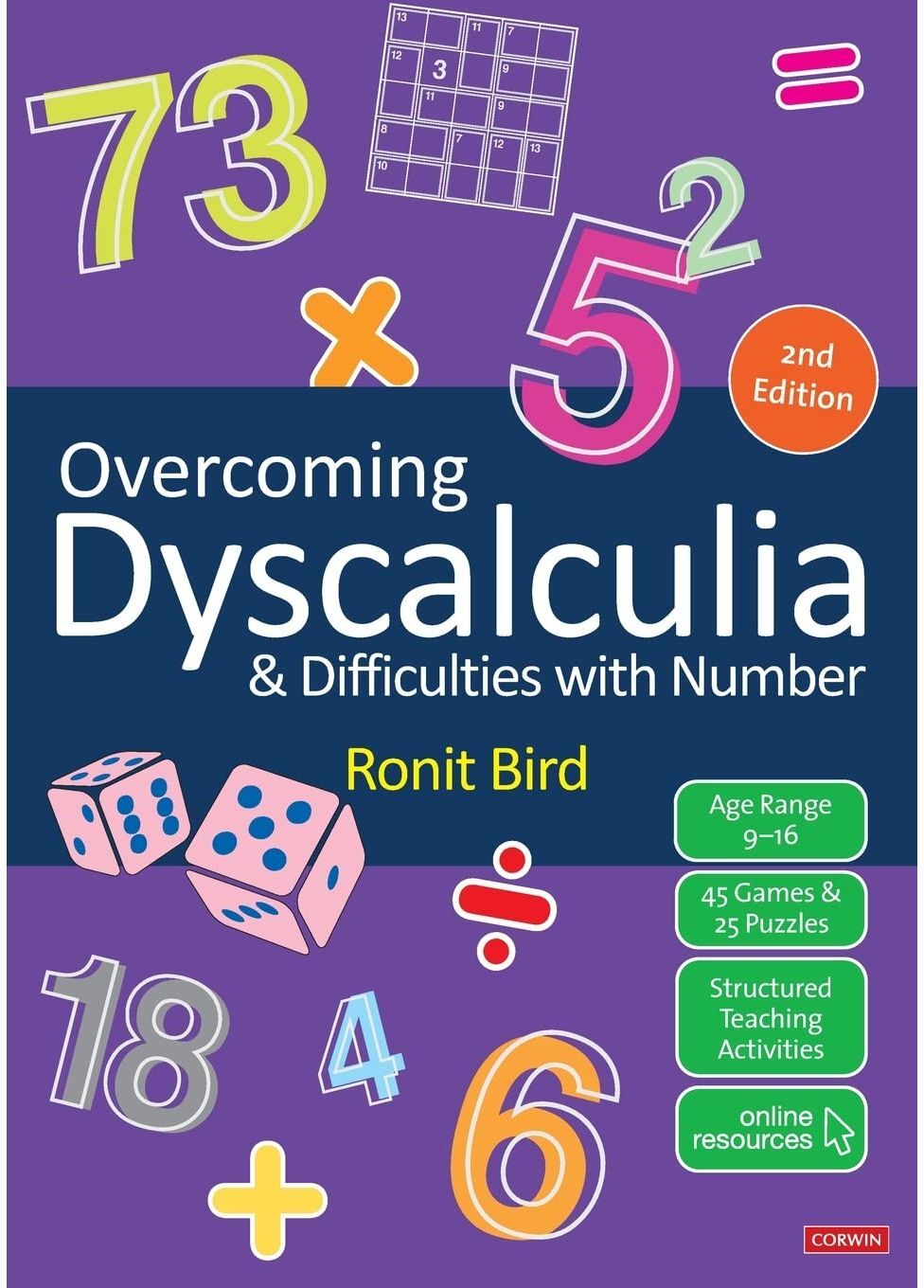
SAGE Publications Overcoming Dyscalculia and Difficulties with NumberThis practical book draws on Ronit Bird’s teaching experience to create detailed strategies and teaching plans for students aged 9-16 who have difficulties with number. Activities and games are used to teach numeracy skills in these key areas: number components, bridging, multiplication, division and reasoning strategies. New to this edition: An updated Part I, improving the clarity and flow of the teaching ideas, including a table mapping games against specific teaching points More activities and guidance for multiplication and division A new Part V, consolidating new and existing teaching games in one place 4 new videos added to the online resources This is an ideal resource for class teachers, SENCO (Special Educational Needs Co-ordinator) and maths subject leader, and is equally useful for teaching assistants and learning support assistants.27,95 £*Shipping: 2,99 £Secure redirect to the provider
-
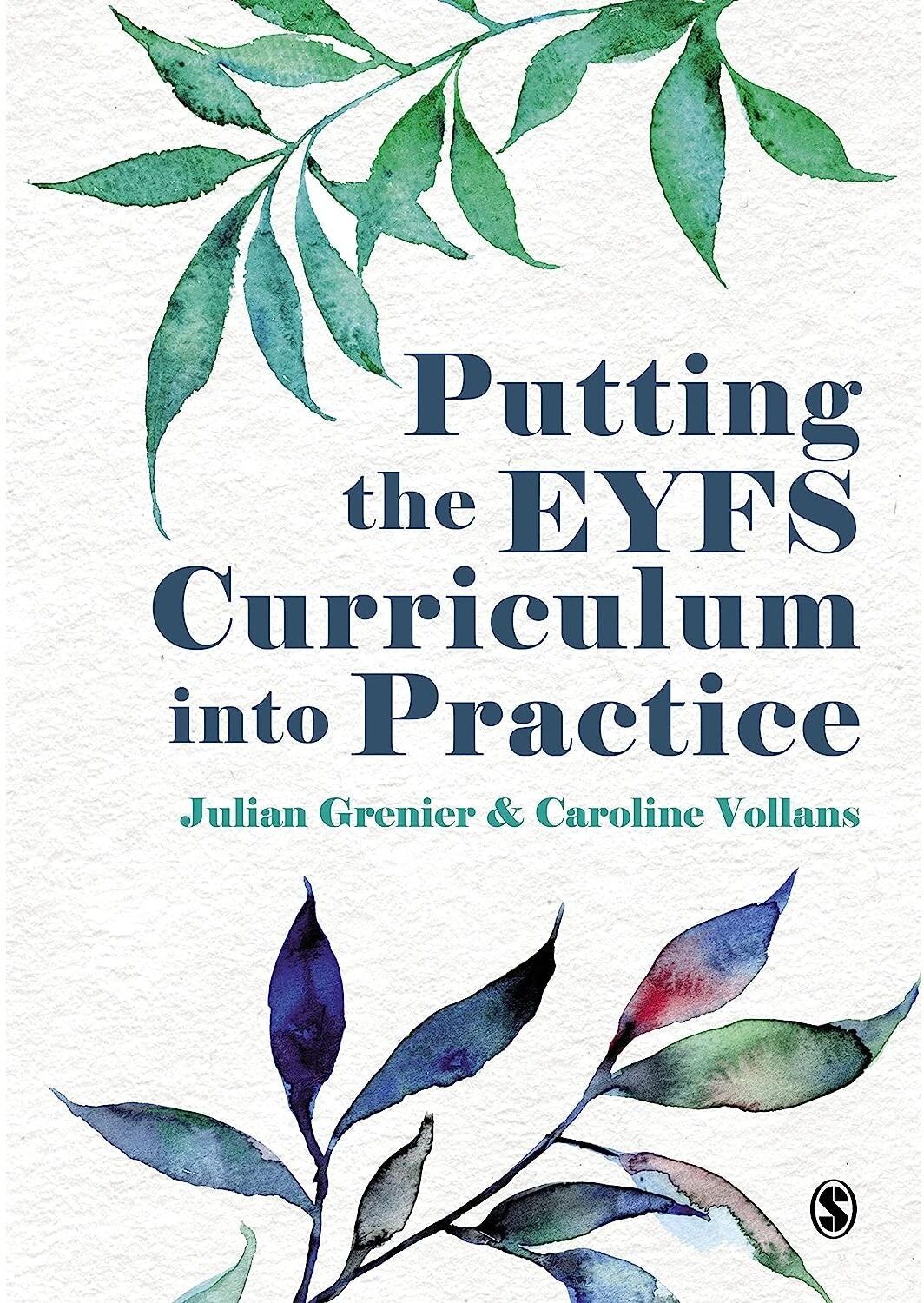
SAGE Publications Putting the EYFS Curriculum into PracticeHow should practitioners and leaders set about designing and implementing their curriculum in the Early Years Foundation Stage? Written by experts in the field, this book provides clear, practical guidance on each of the 7 areas of learning and development in the revised (2021) EYFS. Chapters cover key topics including, assessment, inclusion of children with SEND, English as an Additional Language, equalities, anti-racism, provision for disadvantaged children, professional development and using research and evidence.Designed for practising teachers, early years educators, students on early years degrees and trainee teachers, this engaging book provides an accessible guide to putting revised EYFS into practice.20,99 £*Shipping: 2,99 £Secure redirect to the provider
-
How can one write a creative introduction for an analysis?
To write a creative introduction for an analysis, you can start by using a thought-provoking question or a powerful quote related to the topic. You could also begin with an engaging anecdote or a vivid description to draw the reader in. Another approach is to provide some background information or context that sets the stage for the analysis. By using these techniques, you can capture the reader's attention and make them eager to continue reading your analysis. **
-
How can one formulate an introduction for a cartoon analysis?
To formulate an introduction for a cartoon analysis, one can start by providing background information about the cartoonist, the publication date, and the context in which the cartoon was created. Next, introduce the specific cartoon being analyzed and briefly describe its content and visual elements. Finally, state the purpose of the analysis and outline the main points that will be discussed in the following paragraphs. This approach will help set the stage for a comprehensive analysis of the cartoon. **
-
"Sage lower classifications"
Sage lower classifications refer to the specific categories or subgroups within the broader classification of the plant genus Salvia, commonly known as sage. These lower classifications may include species, varieties, or cultivars that have distinct characteristics and are grouped together based on their genetic and morphological similarities. By organizing sage plants into lower classifications, it becomes easier for botanists and horticulturists to study, categorize, and understand the diversity within the genus Salvia. **
-
What could an introduction for a research paper look like?
An introduction for a research paper typically begins with a broad overview of the topic, providing background information and context for the study. It may then narrow down to the specific research question or problem being addressed in the paper. The introduction should also outline the significance of the research, explaining why it is important or relevant. Finally, it should end with a clear thesis statement that previews the main points or arguments that will be discussed in the paper. **
* All prices are inclusive of VAT and, if applicable, plus shipping costs. The offer information is based on the details provided by the respective shop and is updated through automated processes. Real-time updates do not occur, so deviations can occur in individual cases. ** Note: Parts of this content were created by AI.